



Procurement compliance that holds up under scrutiny
Compliance teams need procurement to be auditable, policy-driven, and traceable from the first request to the final payment. Pivot builds the audit trail by default, enforces policy at the point of decision, and keeps vendor risk reviewed as part of the process, not as an afterthought.
Trusted by compliance and finance teams at the world's most ambitious enterprises.








Procurement without structure is a compliance liability.
When purchasing happens outside a structured process, the compliance record doesn't exist. Audits become reconstruction projects and the answers to basic questions take longer than they should.
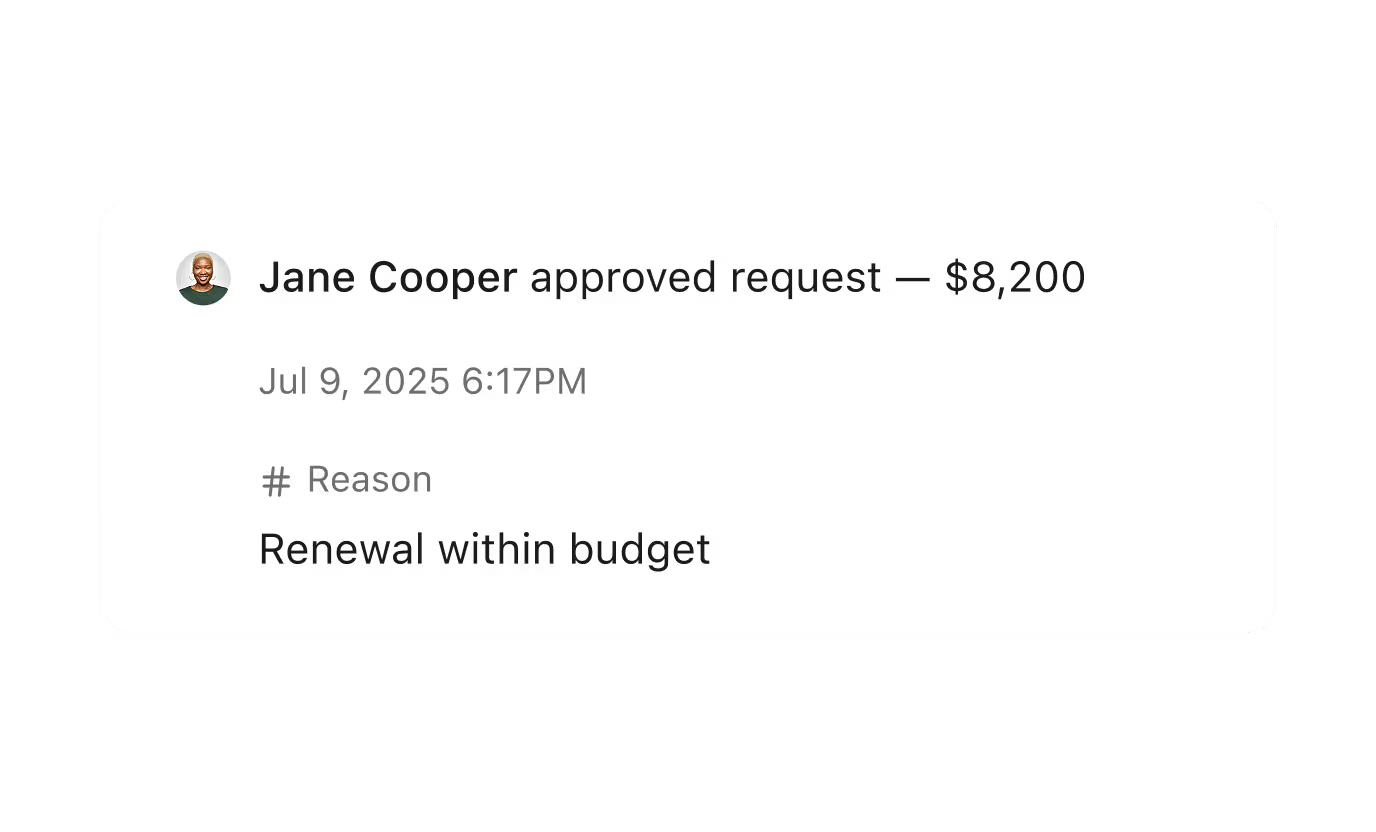
No auditable approval record
When purchases get approved over email or Slack, there's no structured record of who authorized what and why. The audit trail has to be rebuilt manually when someone asks, and it's never complete.
Policy exists but isn't enforced
Spend policies are documented, but without a system that enforces them at the point of decision, compliance depends on people remembering the rules. They don't, consistently.
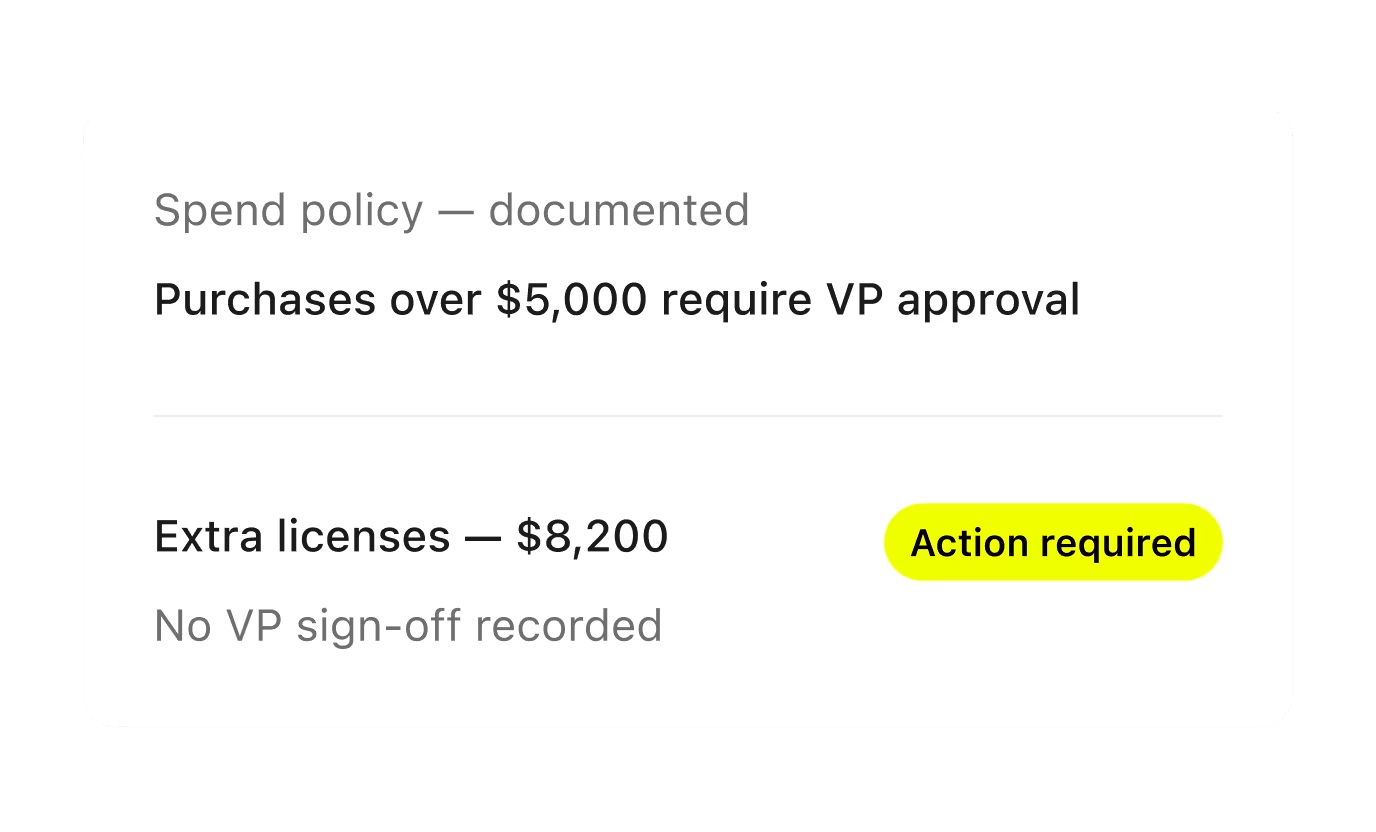
Vendor risk reviewed too late
When vendor onboarding happens outside a structured workflow, compliance and security checks come after the relationship has started. By then, the leverage to require changes is already gone.
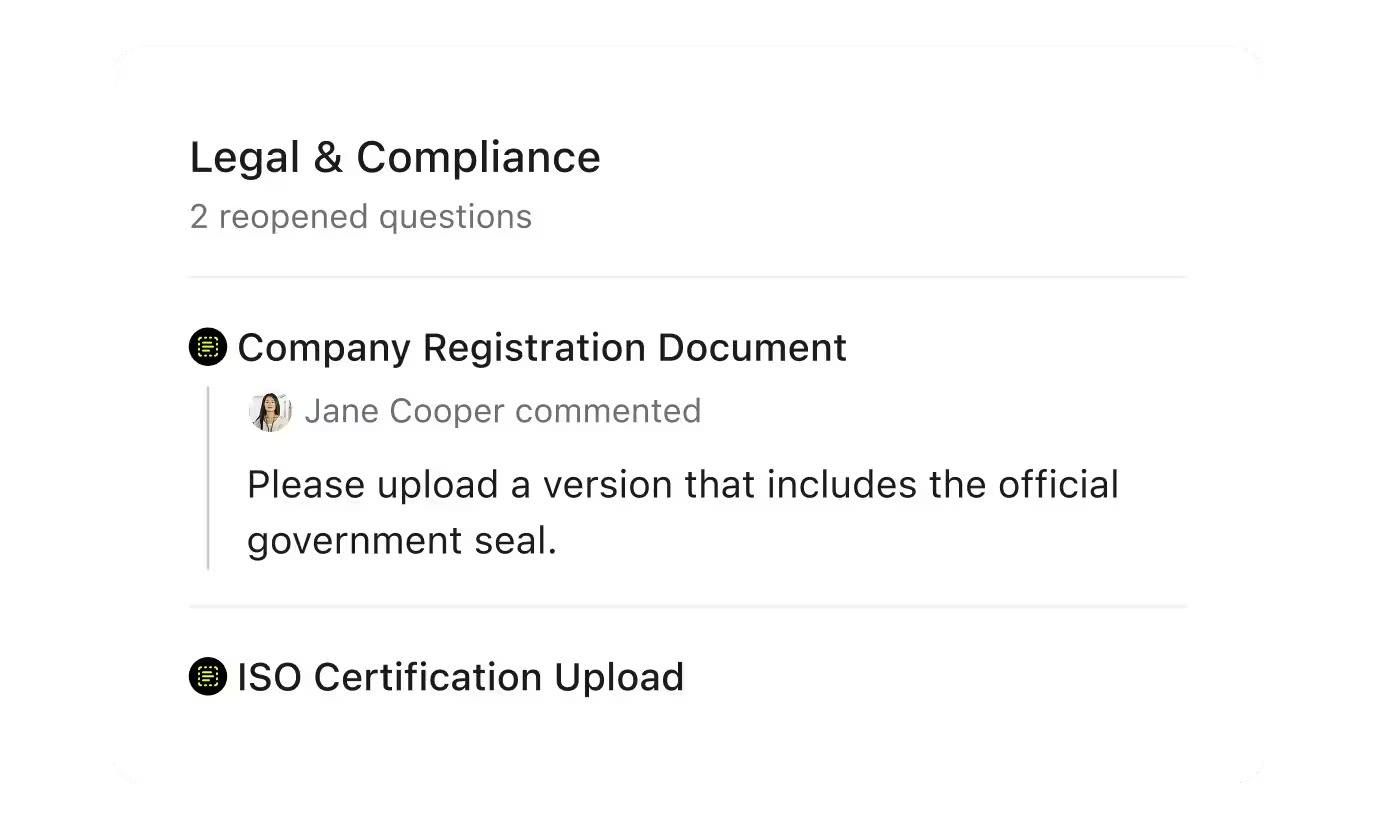
Compliance built into the workflow, not checked after.
Policy enforced at submission, vendor risk reviewed at onboarding, and every action logged with a timestamp by default.
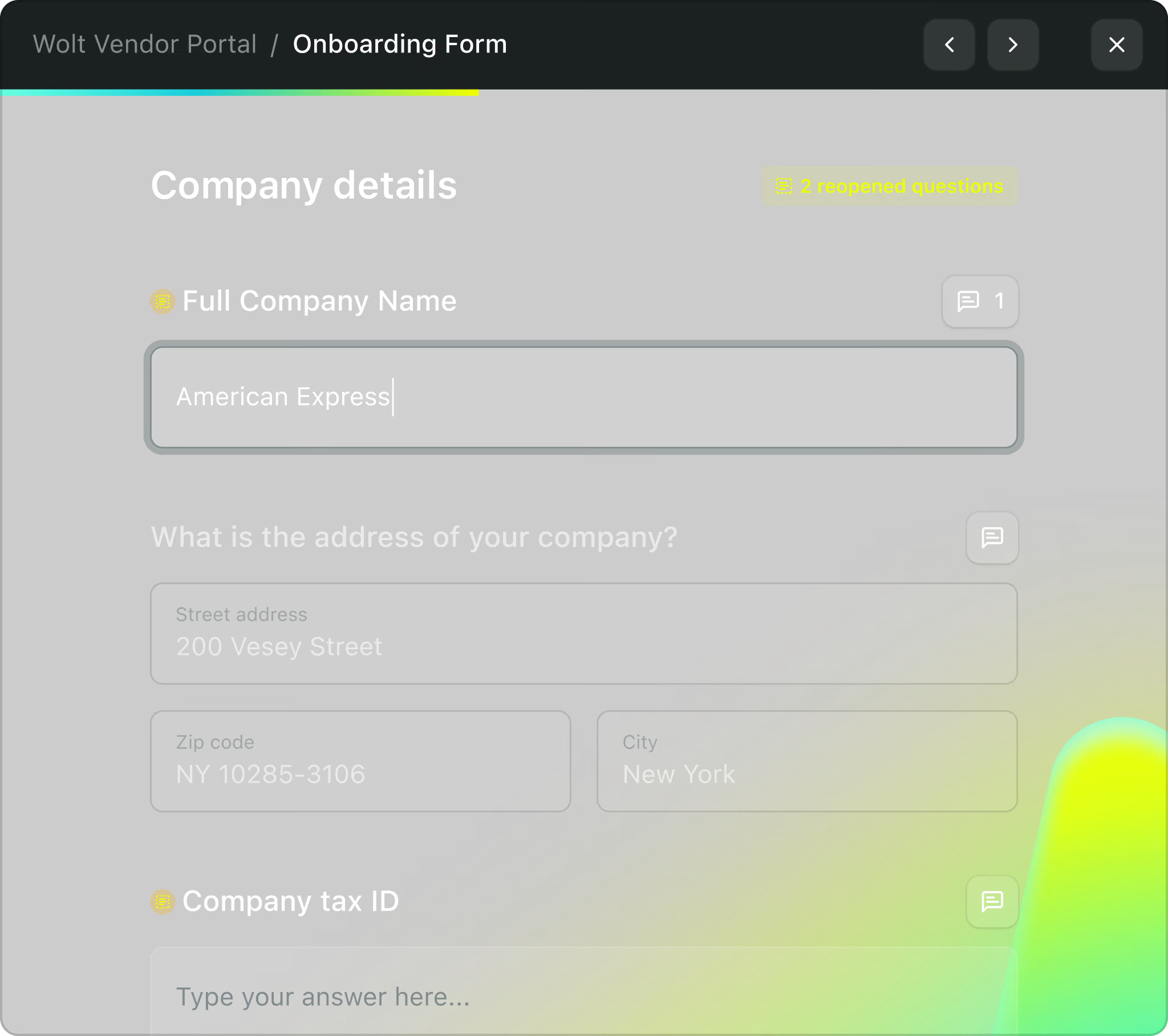

Audit-ready by default, not by effort.
When every action is logged and every approval is traceable, compliance stops being a preparation project and starts being the natural output of a well-run procurement operation.
What compliance teams gain when procurement is structured.
Every approval logged. Every vendor risk reviewed at onboarding. Every invoice checked against its contract. Every policy exception traceable. All of it by default, without a manual effort before each audit.
Full audit trail
Vendor risk
Policy enforced
3-5
%


The agent compliance uses most.
The Auto-Approver evaluates every approval step against your defined rules and logs its reasoning on every decision. Description coherent, taxonomy correct, within budget, purchase compliant. Around 60% of routine steps clear automatically, with a full audit record on each one. Exceptions still reach a human, and every path is traceable.
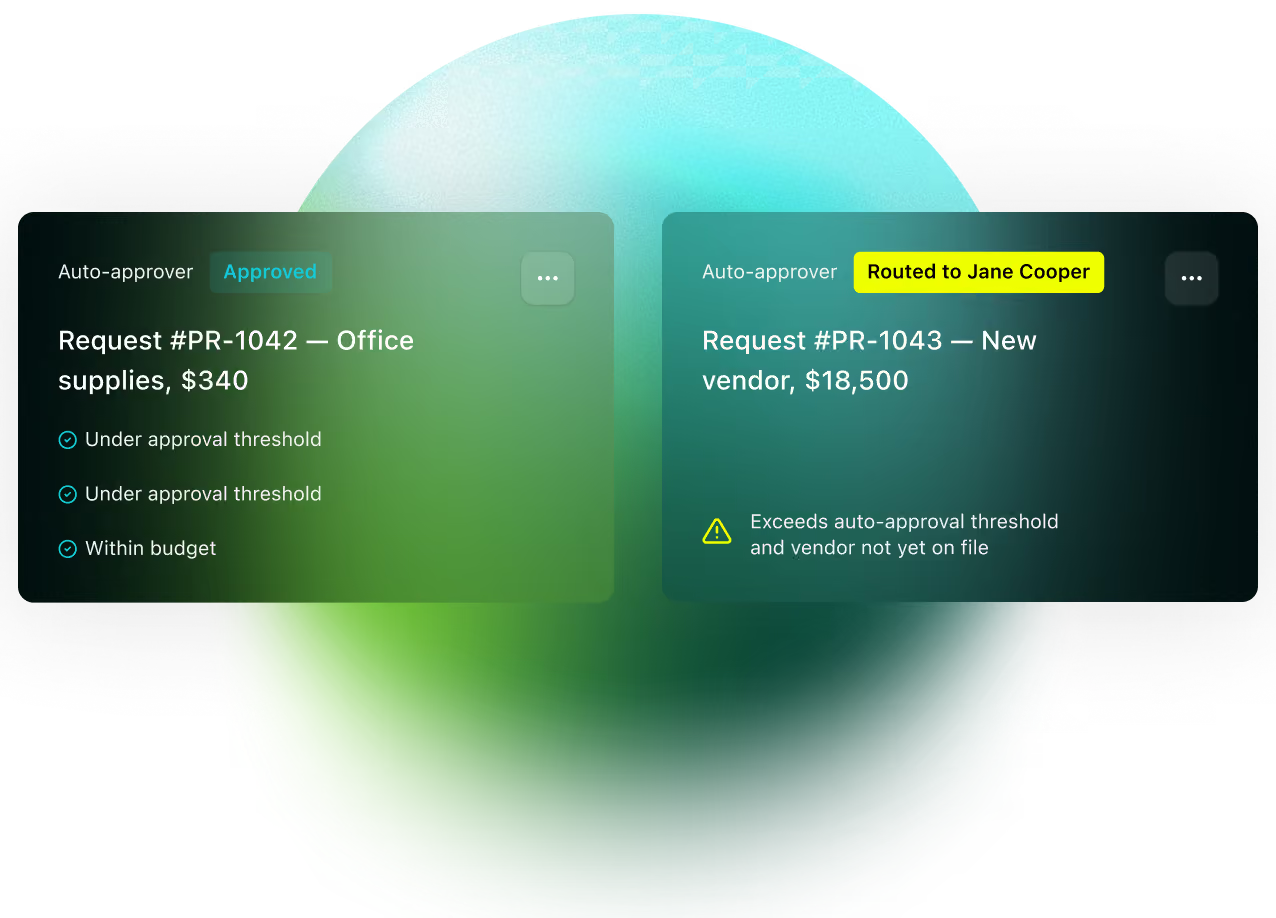
Compliance helps shape the requirements. Others drive the decision.
The platform that meets compliance requirements also needs to work for procurement, finance, and IT. Here's how each team sees the same decision.


.avif)