



MCP solves context delivery, not context creation.
MCP gives AI one common way to fetch information, analyze it, and act across your procurement software, instead of a different integration for every tool you own. That's a real unlock. But once AI can reach your procurement platform, what it finds there determines what it can do with it.
AI performance is built long before the first prompt.
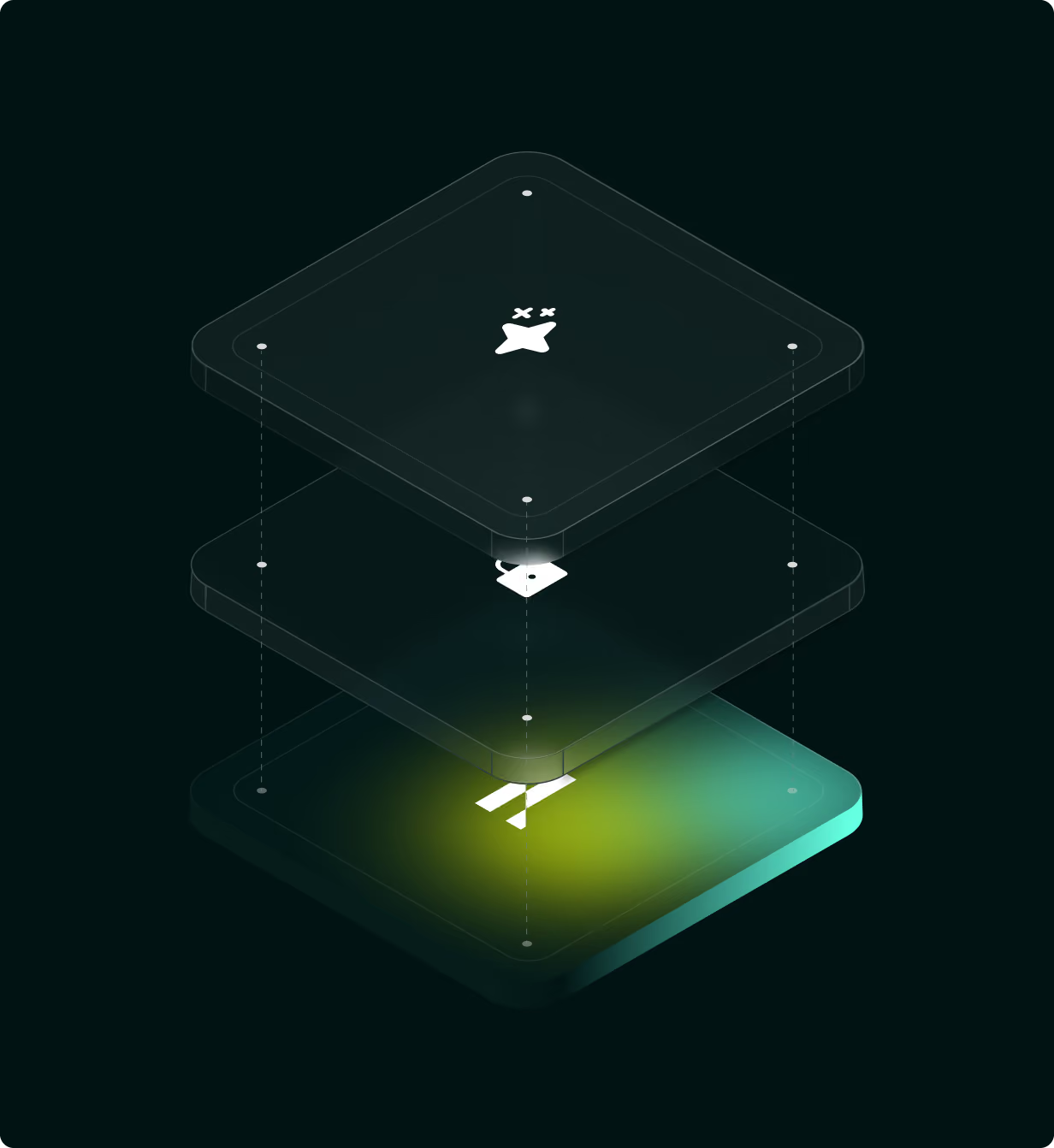
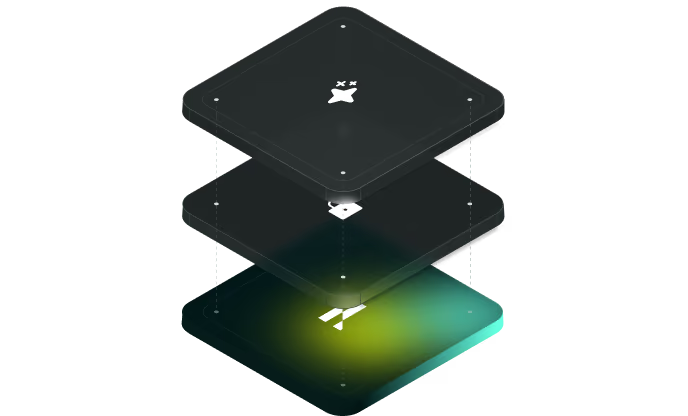
By the time someone asks AI a question, your business has already spent years creating the context it will reason over. Every purchase request raised, every contract negotiated, every approval logged shapes the quality of the answer AI can produce. That foundation has to be built in three layers.
System of record
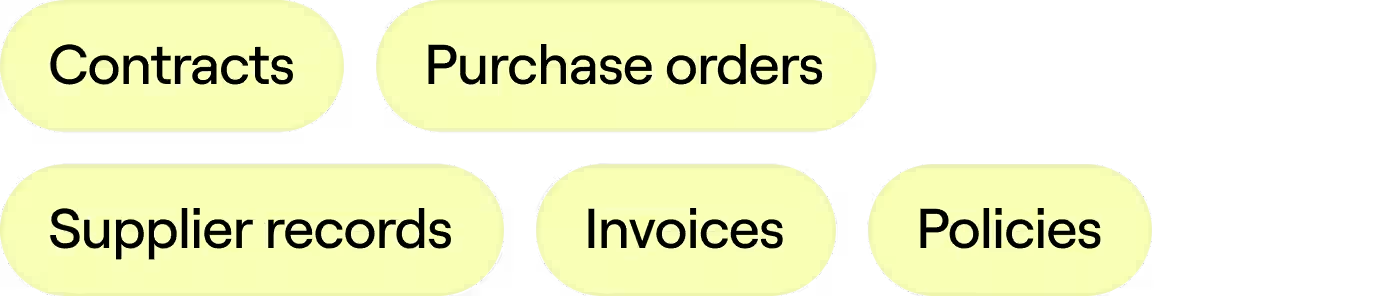
Supplier information, contracts, purchase orders, invoices, and policies captured in a structured, searchable way. This is the foundation AI reasons over.
System of engagement
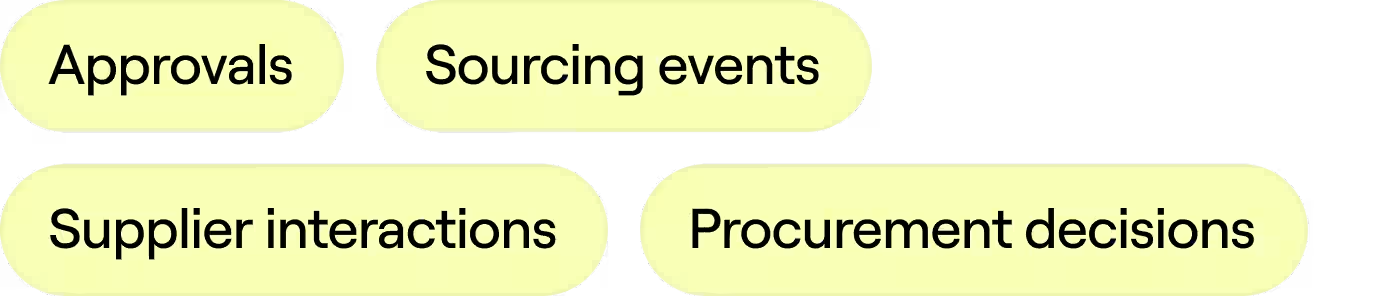
Every approval, sourcing event, supplier interaction, and purchasing decision enriches the foundation. AI doesn't just need data. It needs evidence of how your organization actually operates.
System of agentic action
Once the foundation is clean and complete, AI can answer questions, surface insights, and automate procurement work with confidence. MCP gives AI access to that foundation. It doesn't create it.

The foundation Pivot built
Pivot was built from the system of record up, not layered onto someone else's legacy system. Every stage of the procurement lifecycle captures structured, consistent data from day one. That's what gives AI something worth accessing.

What AI finds when it connects to Pivot
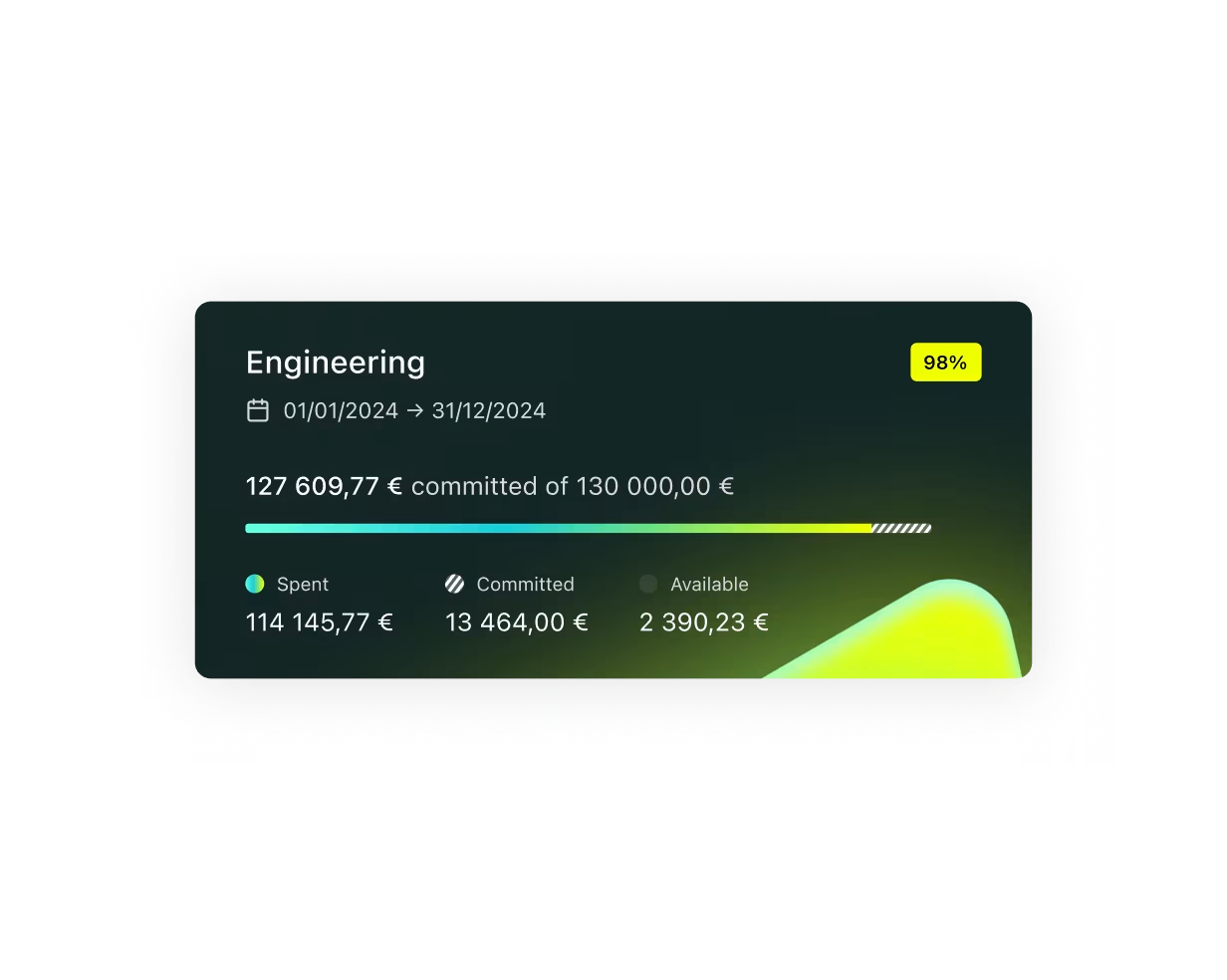
Committed and actual spend, contracts with terms and renewal dates, vendor records with risk and performance history, purchase orders tied to budgets, invoices matched against contracted rates. A complete procurement foundation, structured and searchable.

Having MCP won't be rare. Having something worth accessing will.
MCP will become an expected capability, the way APIs and SSO did before it.
The question won't be whether a procurement platform supports AI connectivity.
It will be what AI can do once it's connected.
You can't retrofit clean data
If a system of record wasn't built to capture consistent, structured input from day one, wrapping an MCP layer around it doesn't fix that. It hands AI faster access to the same mess.
.avif)
The advantage isn't access. It's what's there when AI arrives.
As AI capabilities become a commodity, the edge won't come from having an MCP server. It will come from having procurement data that's clean, connected, and complete. That's what Pivot was built to produce.
Confident answers built on bad data are more dangerous than no answer
Teams without a clean foundation will see limited results regardless of the model or protocol they use. Or worse, they'll get confident-sounding answers built on bad data. The foundation is the advantage.
Built for enterprise security requirements.
Pivot's MCP server is designed for the security and compliance standards enterprise IT and security teams require. Your data stays yours.

Inherits your existing permissions
Users can only see and act on what they could already access in Pivot.

Scoped tool access
Admins choose what actions the AI can take — read-only, approval-only, or full action.

Full audit trail
Every query and action is logged: who asked, what was returned, what changed.

SOC 2 Type II · ISO 27001 · GDPR
The same compliance posture as the rest of Pivot.

Self-hosted option
For enterprises that want the MCP server running inside their own VPC.
Ask anything.
Act on what you find.
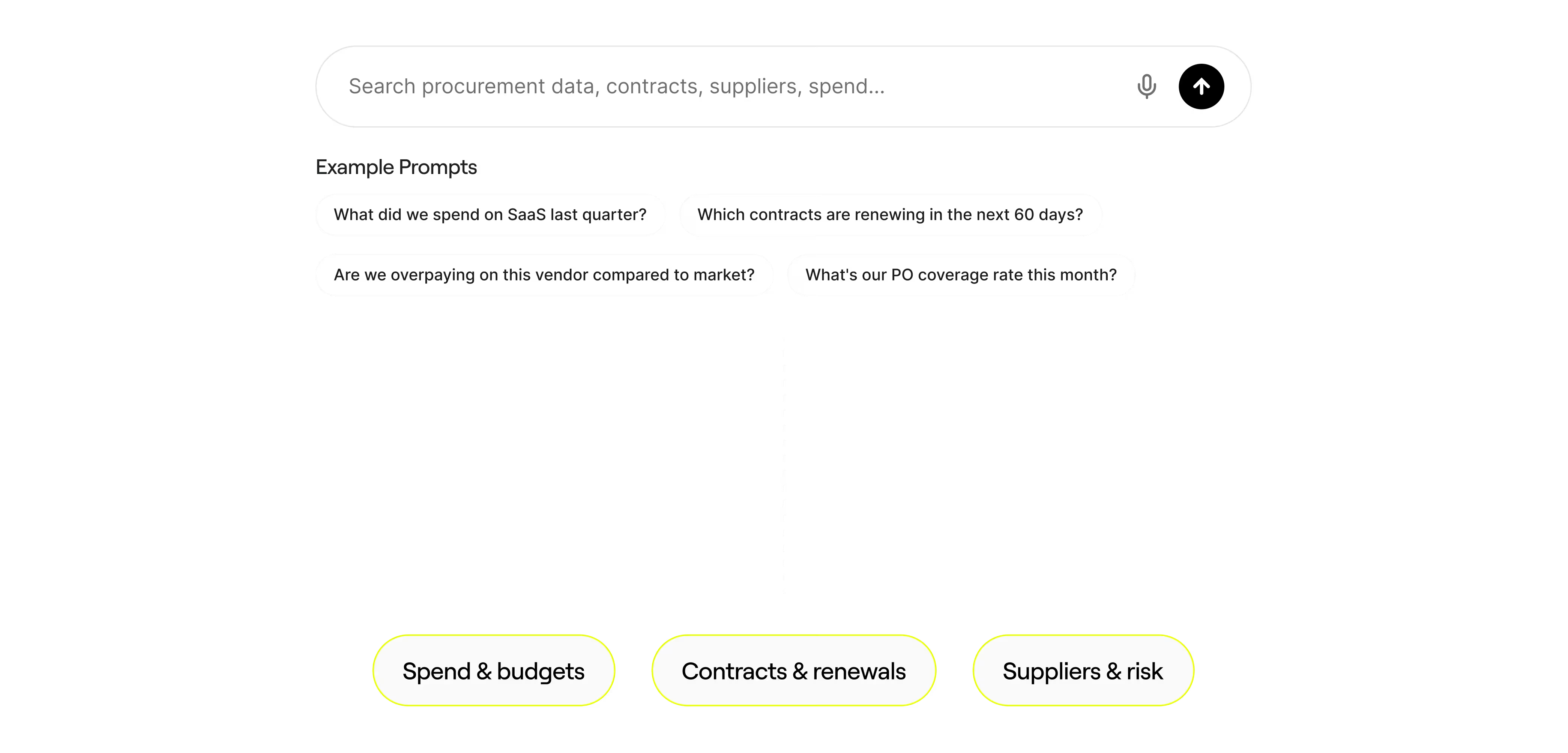
When AI connects to a clean procurement foundation through MCP, the questions it can answer and the actions it can take change entirely.
Answer procurement questions from your own data
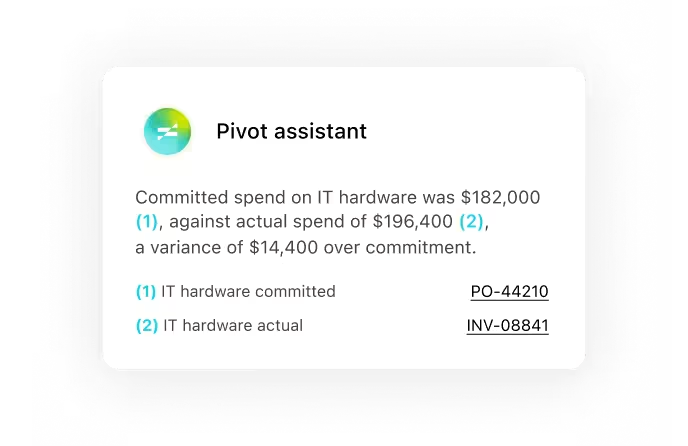
What are we spending on consulting this quarter versus last? Which vendors are billing above contracted rates? Where is committed spend running hot against budget? These answers come from your data, not an estimate, with every figure traceable back to its source record in the ERP.
Automate procurement actions through agents
The same foundation that makes AI's answers trustworthy makes its actions reliable. Agents built in AI Studio or connected through MCP can benchmark quotes, clear approvals, match invoices, and surface renewal alerts, all running on the same structured data your finance team trusts.