

Vendor security review built into procurement
.IT and security teams approve the stack. Pivot gives them SSO through their existing identity provider, a complete audit trail by default, and a vendor risk workflow built into the procurement process so security is enforced where the decision happens, not checked after
Trusted by IT and security teams at the world's most ambitious enterprises.








Uncontrolled procurement creates an uncontrolled security surface.
When vendor onboarding happens outside a structured process, the IT and security implications don't get reviewed until after the contract is signed, if at all.
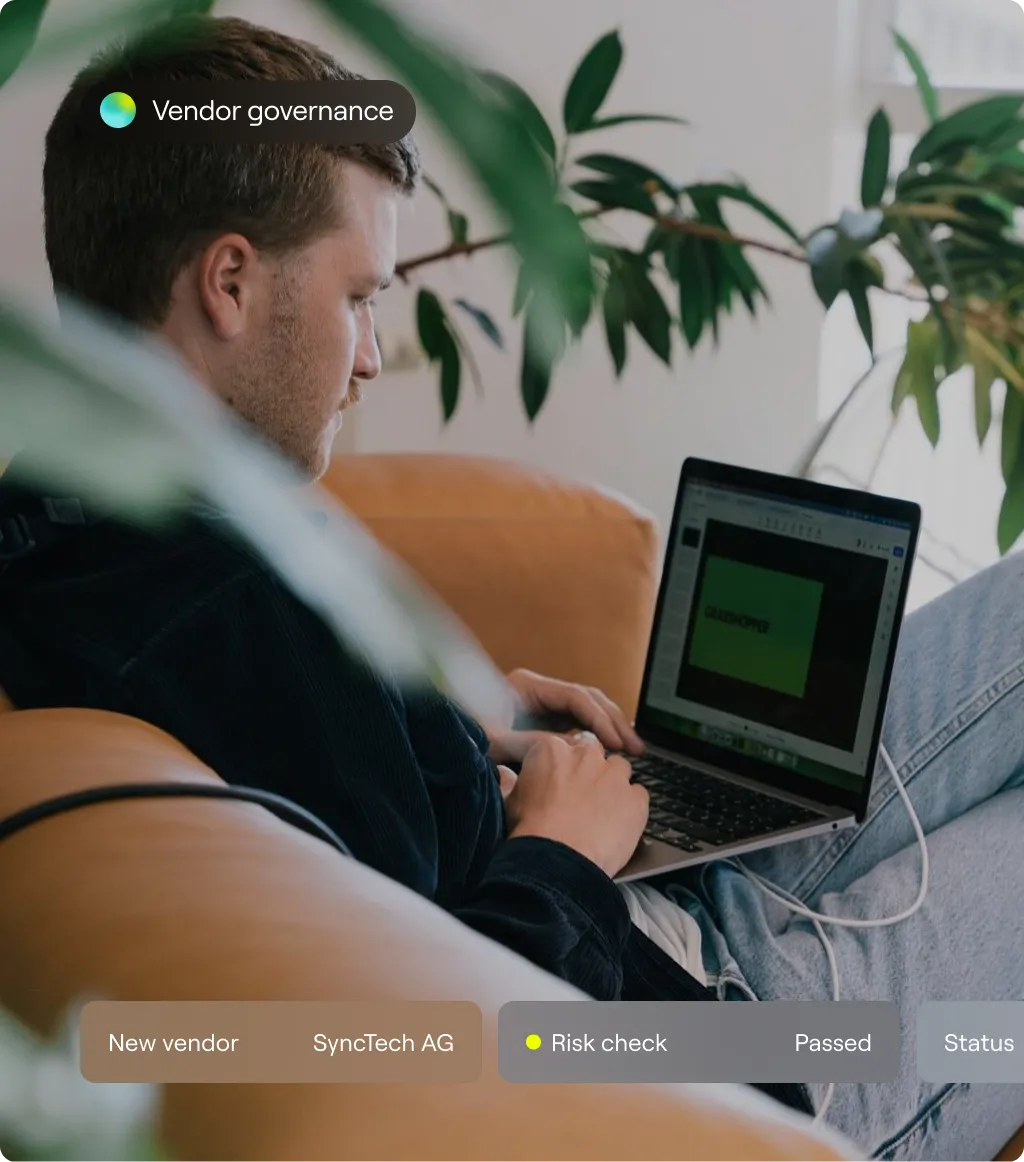
Vendors onboarded without a security review
When procurement moves through email and spreadsheets, new vendors get approved without a formal security assessment. IT finds out when the tool is already in use and the data is already flowing.
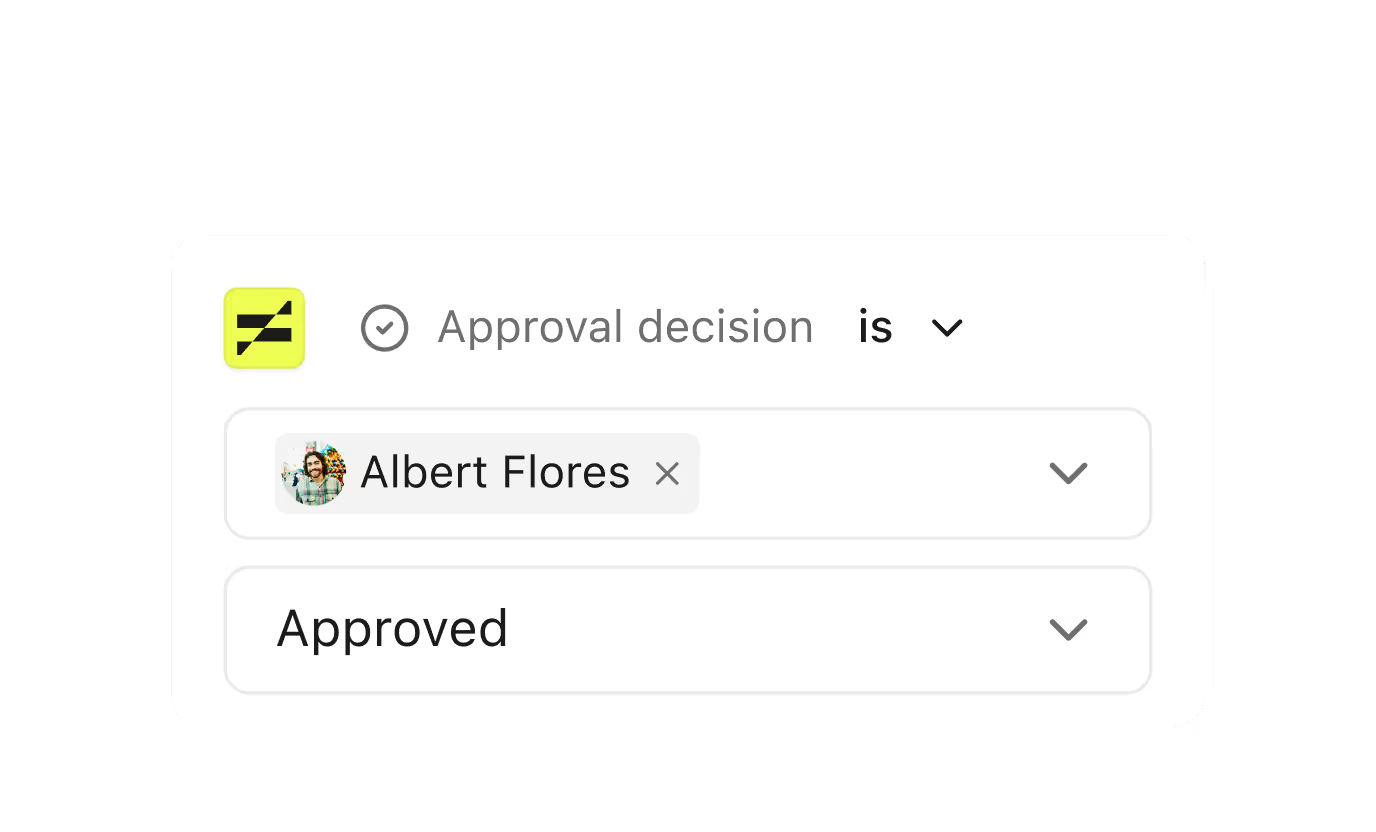
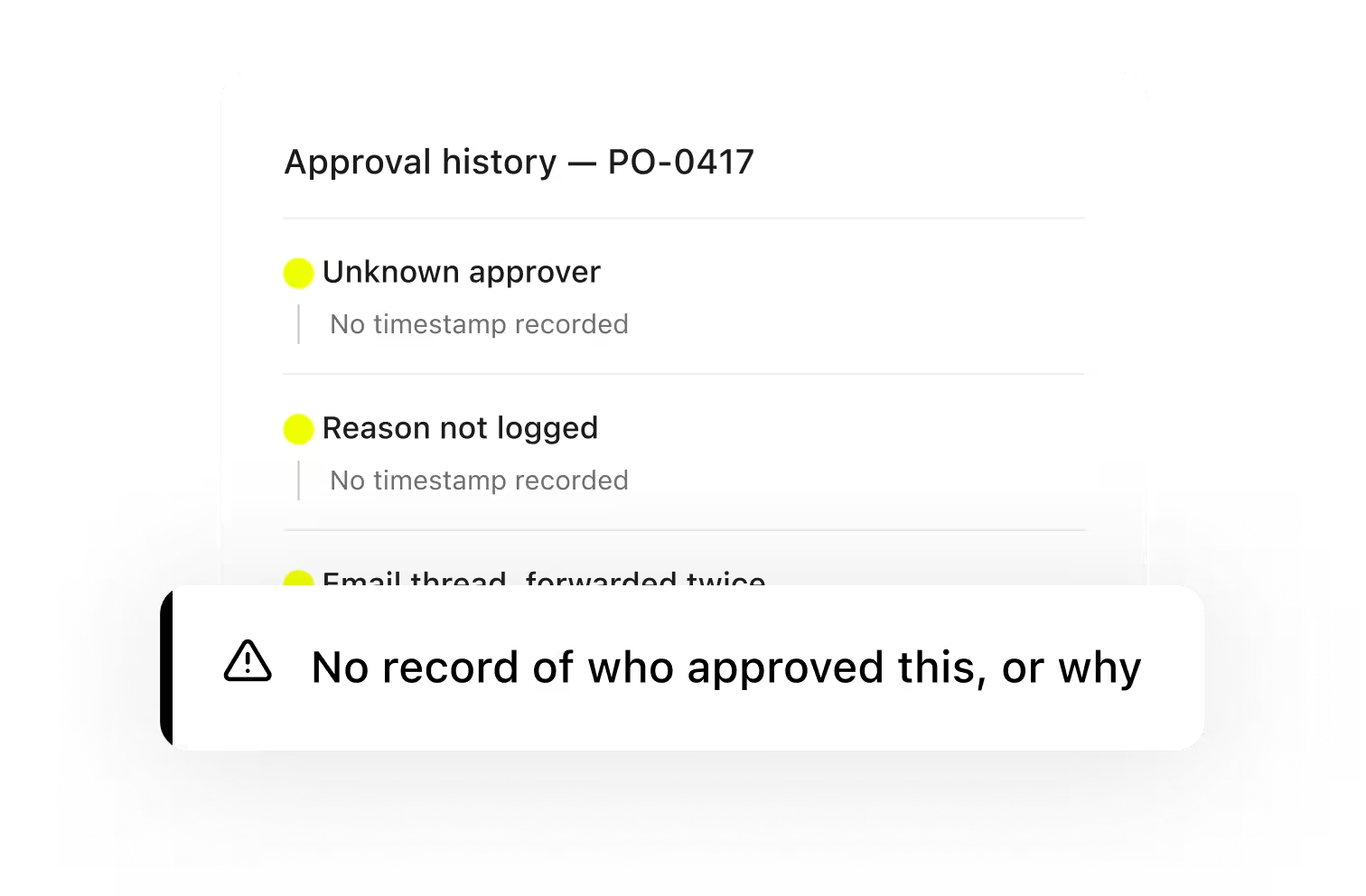
No audit trail for purchasing decisions
Without a structured procurement system, there's no auditable record of who approved what, when, and why. That's a compliance problem and a forensic problem when something goes wrong.
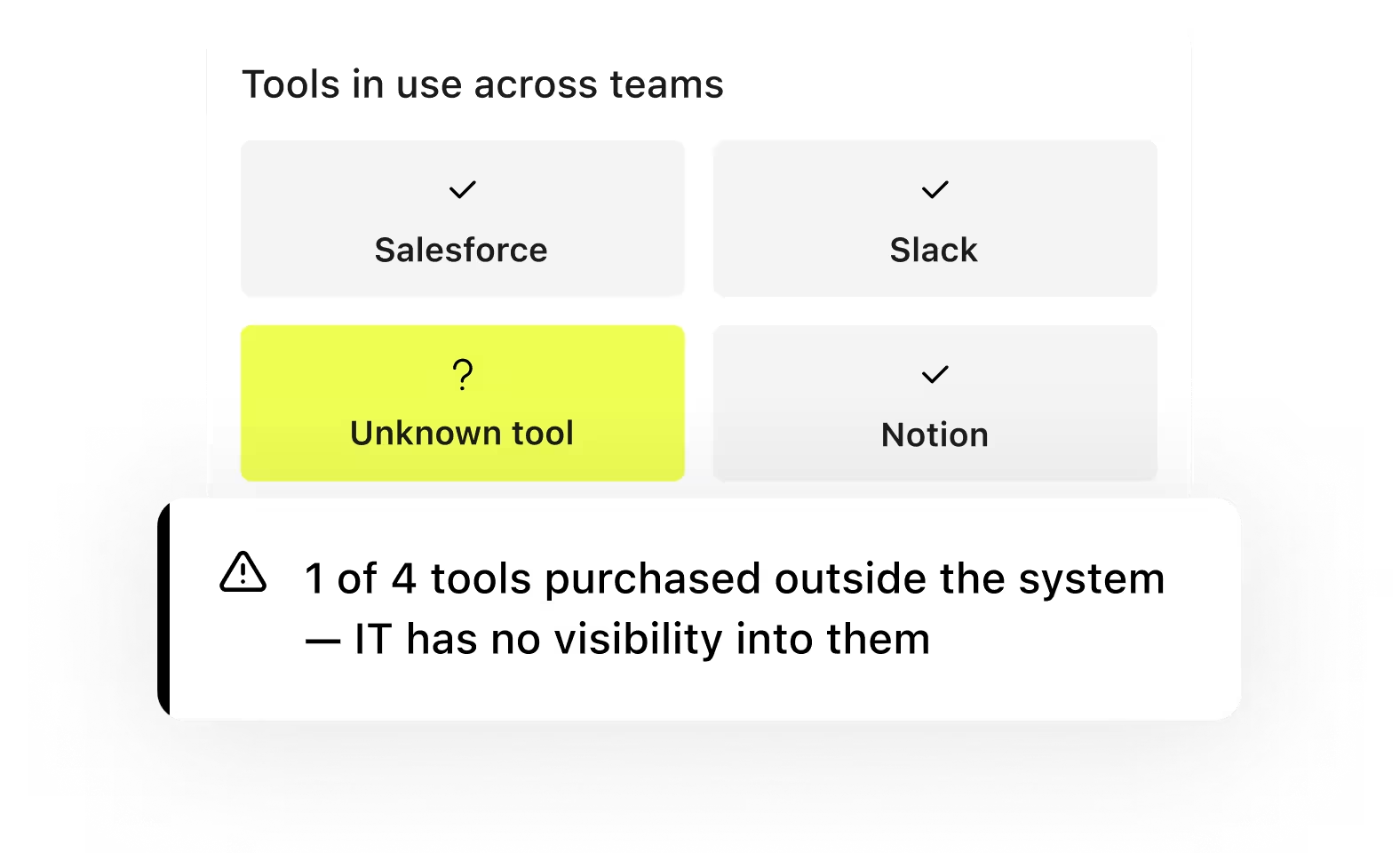
Software proliferation no one can see
When purchases happen outside the system, duplicate tools accumulate and shadow IT grows. IT can't govern what procurement doesn't surface.
Security built into the procurement workflow.
Pivot connects to the identity and security stack IT already runs, with vendor risk assessment built into onboarding and a complete audit trail on every action.
.avif)
IT with a complete vendor picture and nothing ungoverned.
When procurement runs on Pivot, IT stops finding out about new vendors after the fact and starts reviewing them as part of the process.
What IT teams gain when procurement is structured.
+97% adoption means less shadow IT. Full audit trails mean no gaps in the compliance record. Vendor risk reviewed at onboarding means fewer surprises after the contract is signed.
100
%
Full audit trail
Vendor risk
SSO-connected


The agent IT teams use most.
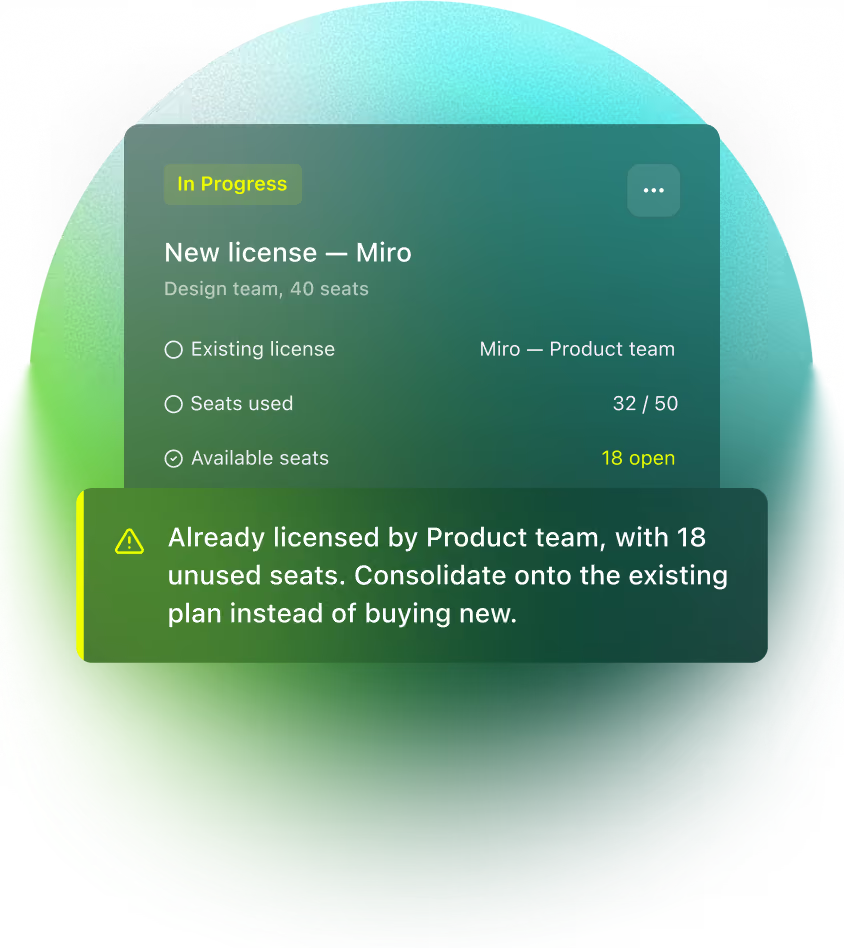
The Deduplicator scans every new purchase request against prior purchases to detect whether a similar tool or service has already been bought. It flags duplicates before they're approved, surfaces consolidation opportunities across teams, and stops shadow IT at the source. Around 2 to 4 duplicate purchases avoided per month.
IT approves the platform, but others drive it.
he procurement platform decision starts with procurement and finance. Here's how IT fits into the conversation and what each team needs to see.
.avif)
.avif)