Top 5 Omnea alternatives to consider in 2026


Table of contents

Before you lock in another contract cycle or shortlist Omnea for the first time, it’s worth asking yourself one critical question: Is Omnea actually the best fit for your business?
Omnea is a good procurement orchestration solution with advanced risk capabilities, however, there are large gaps in the rest of the process, ultimately resulting in a black box.
As organizations scale, an even harder question emerges: Is orchestration enough, or are you just moving complexity further down the process?
As volume, vendors, geographies, and compliance requirements increase, long-term value depends on more than intake and coordination. Factors like cost, flexibility, ease of use, integration depth, and scope of capabilities all play a role in determining long-term value, especially as procurement teams balance adoption, compliance, and speed.
Read on to see how five strong alternatives size up against Omnea.
Omnea
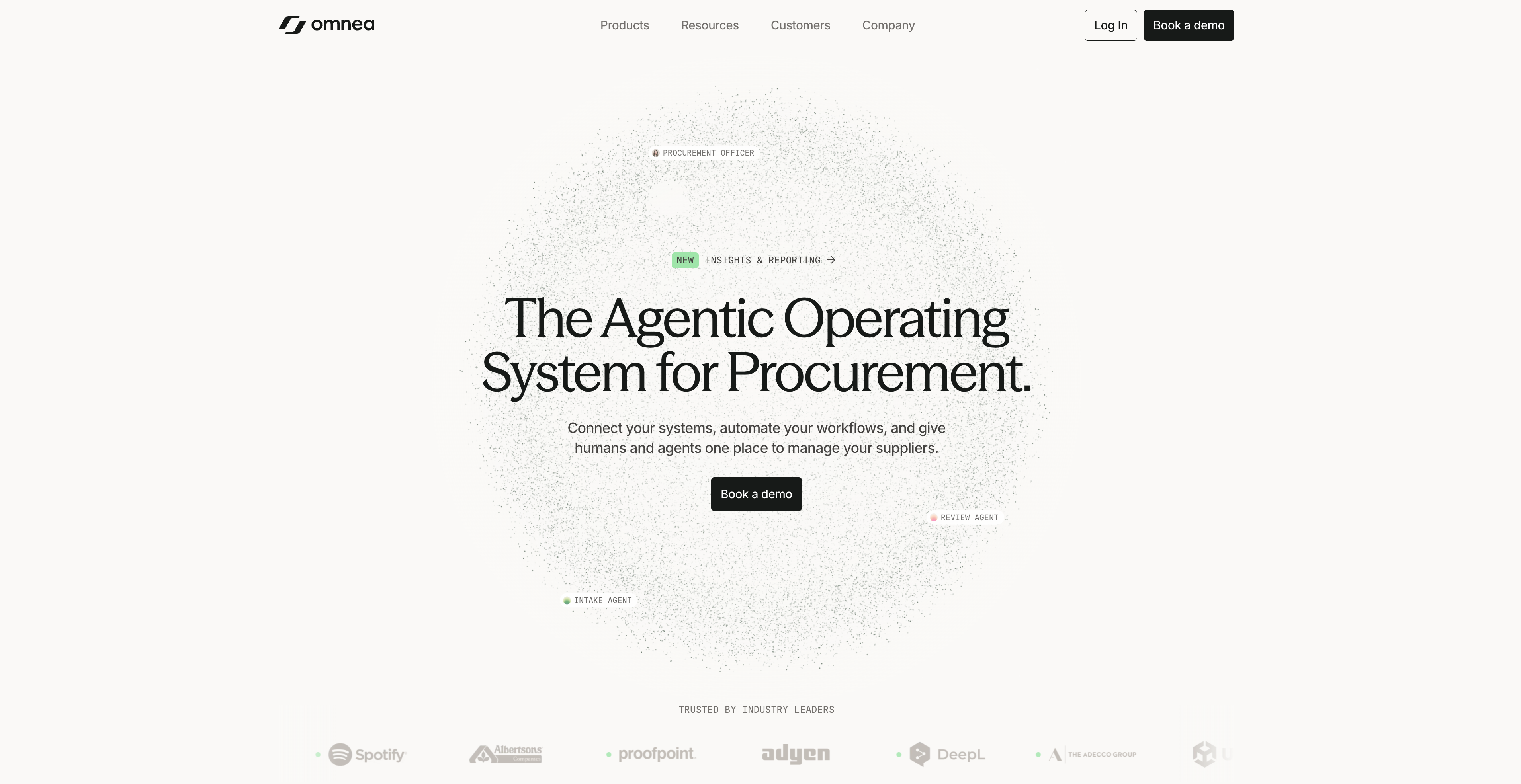
Omnea is an intake and orchestration tool designed to help companies connect their existing systems through integrations. It streamlines intake, approvals, supplier risk, renewals, and contract workflows through an intuitive interface, orchestrating work across tools without replacing core systems.
So, what makes Omnea a good procurement orchestration contender?
It's designed for:
- Teams who feel constrained by point solutions but are not yet interested in a full-suite, end-to-end solution.
- Companies who already have a procure-to-pay (P2P) backbone, and want to coordinate across systems rather than ripping and replacing them.
- Businesses comfortable operating across multiple systems, where orchestration and visibility matter more than consolidation and depth.
- Those who want strong capabilities in risk management, with embedded third‑party assessments, automated scoring and tiering, and clear remediation workflows from intake through renewal.
Reasons to consider alternatives to Omnea
Now that you’ve seen what makes Omnea a strong player, you might be wondering: what are some reasons to consider alternatives?
Working with Omnea means managing multiple integrations across your ERP, procurement tools, and other systems. Each connection multiplies potential failure points and complicates troubleshooting.
- Working with Omnea means managing multiple integrations across your ERP, procurement tools, and other systems. Each connection multiplies potential failure points and complicates troubleshooting.
- Scalability limits: Intake and orchestration platforms like Omnea fall short of full-suite source-to-pay systems when enterprise growth demands deeper, end-to-end scale.
- No AP automation: Omnea lacks built-in accounts payable automation, leaving teams to stitch together fragmented workflows.
- Missing downstream depth: Beyond AP limitations, Omnea lacks supplier performance tracking and post-contract analytics, meaning that visibility fades after the PO is issued, making it difficult to measure and track performance.
Omnea alternatives at a glance
Pivot
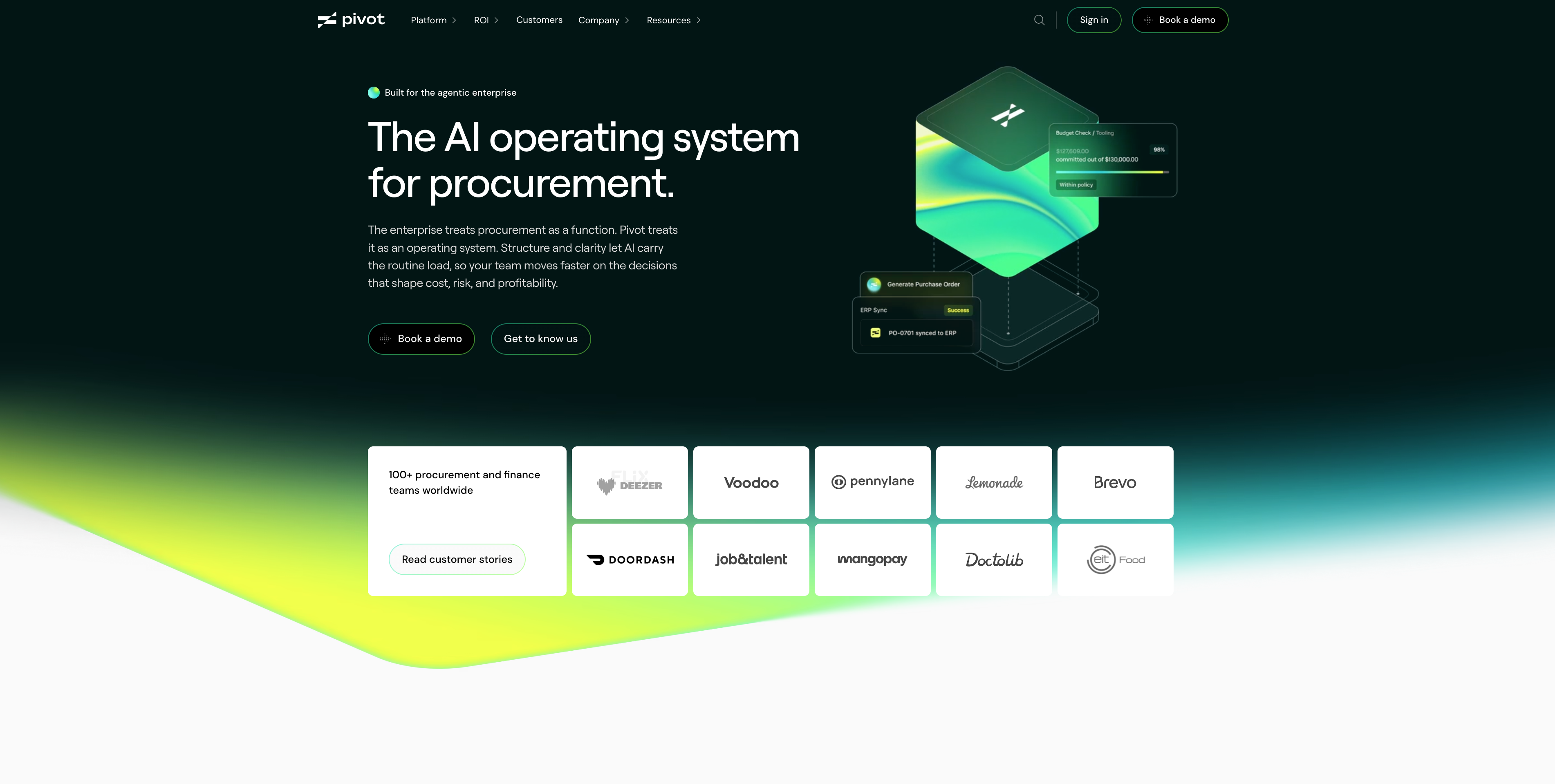
Pivot is one of the fastest-growing full-suite source-to-pay (S2P) platforms, equipping leading finance and procurement teams with robust procurement capabilities without the added complexity. With advanced procure-to-pay capabilities and additional add-on modules like AP automation and real-time budgets, Pivot’s modularity supports both teams looking to ease into their procurement transformation and those ready for a full rip-and-replace.
Pivot supports enterprise procurement teams by making end users ERP literate with a powerfully simple platform designed to boost procurement process adoption. By centralizing scattered communication (and data), reducing manual work, and increasing visibility on spend, teams are able to scale with control.
Key differences between Pivot and Omnea:
- Pivot is a full-suite, source-to-pay procurement platform, not just an intake and orchestration tool.
- Pivot has deep, native ERP integrations built on four pillars, including: vendor level sync, purchase orders, item receipts, and invoices.
- Supports full AP automation, including 3-way matching.
- Robust budget tracking module for real-time budget tracking and control.
- White-glove customer support and dedicated operations team to lighten your change management load.
Zip
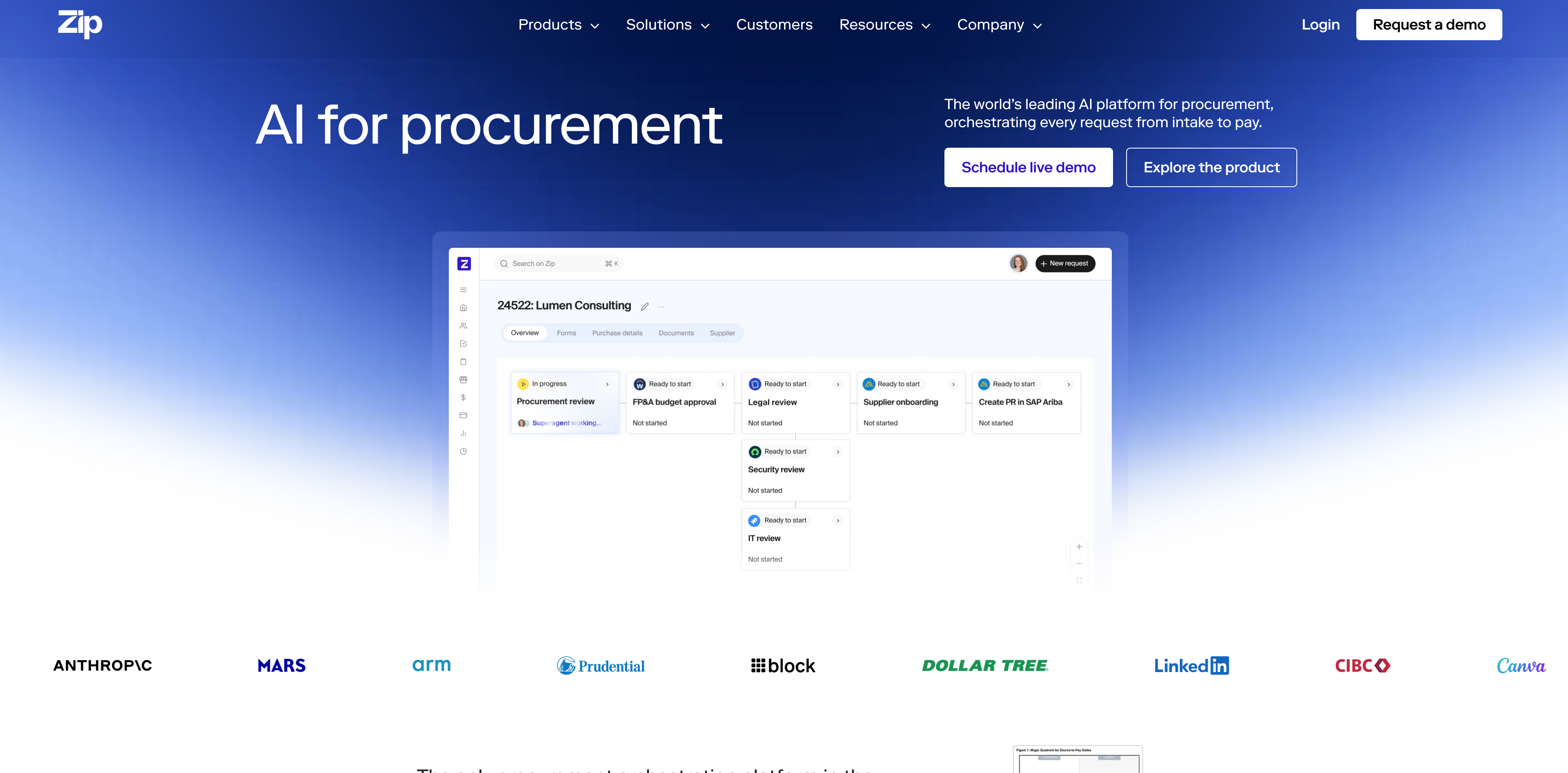
Zip is an AI-powered procurement orchestration platform designed to streamline spend management from intake to payment. It includes advanced capabilities in intake and orchestration, catering to companies ranging from enterprise, mid-market, and startups.
The platform is known for its intake-to-procure workflows and centralized request management, with a strong foothold in high-growth technology companies and large enterprises standardizing procurement intake across multiple systems.
Key differences between Zip and Omnea:
- Zip directly handles payments with AI invoice matching and vendor cards, while Omnea only tracks and orchestrates into ERPs without transaction processing.
- Zip's AI agents auto-run intake-to-payment workflows under guardrails, proving more sophisticated Omnea’s basic AI on maturity and insights.
Procurify
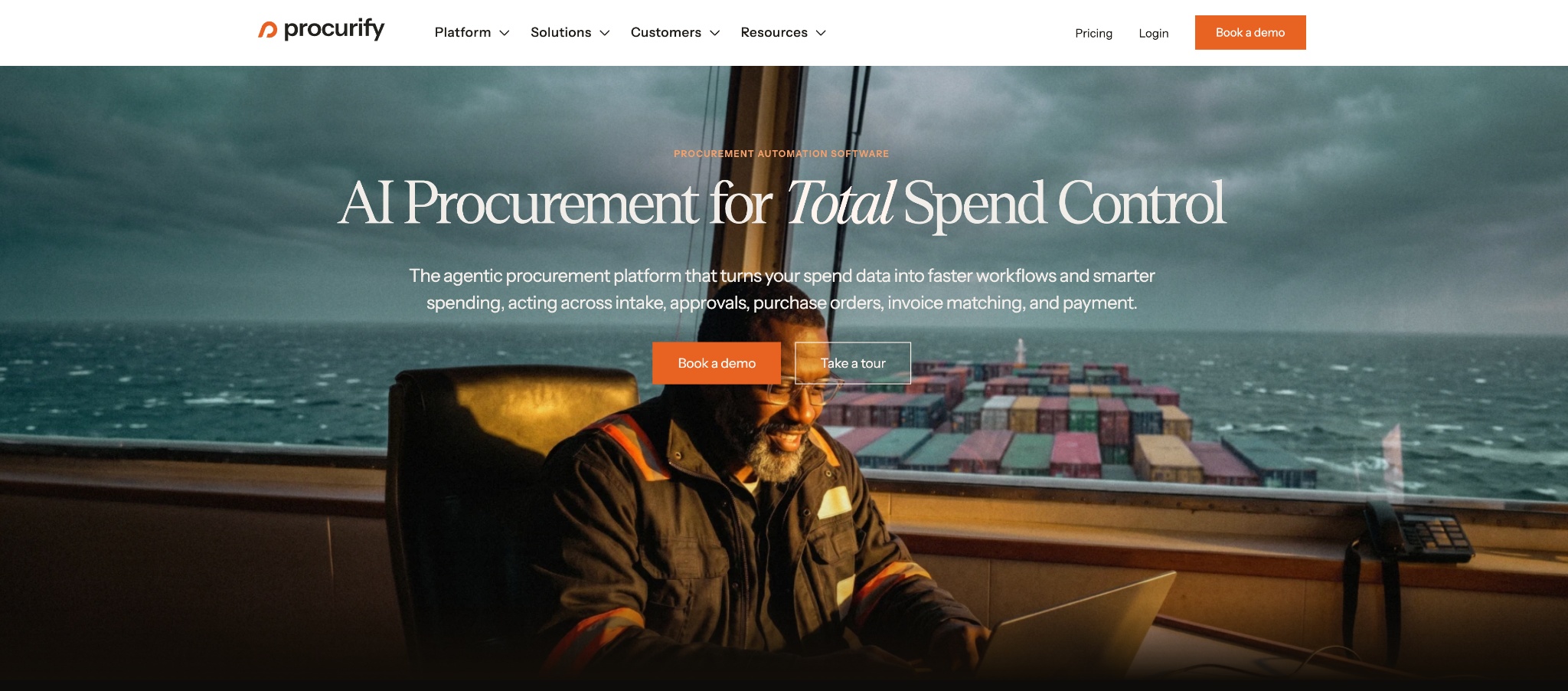
Procurify is a cloud-based procurement and spend-management platform that mainly serves mid-market companies. It centralizes purchase requests, purchase orders, invoicing, and payments, giving procurement and finance teams real-time visibility into committed and actual spend. It also bundles AP and expense workflows with mobile approvals so teams can manage requests and invoices from anywhere.
What sets Procurify apart is a practical, operations-first approach to spend control: a mobile-friendly UX, built-in expense management and AP automation, and punch-out/catalog integrations that make it easy to standardize purchasing and close the loop from request to payment, especially for mid-market organizations.
Key differences between Procurify and Omnea:
- Native mobile app for on-the-go approvals.
- PunchOut supplier catalogs (shop directly from approved vendors).
- Built-in expense management capabilities.
Precoro
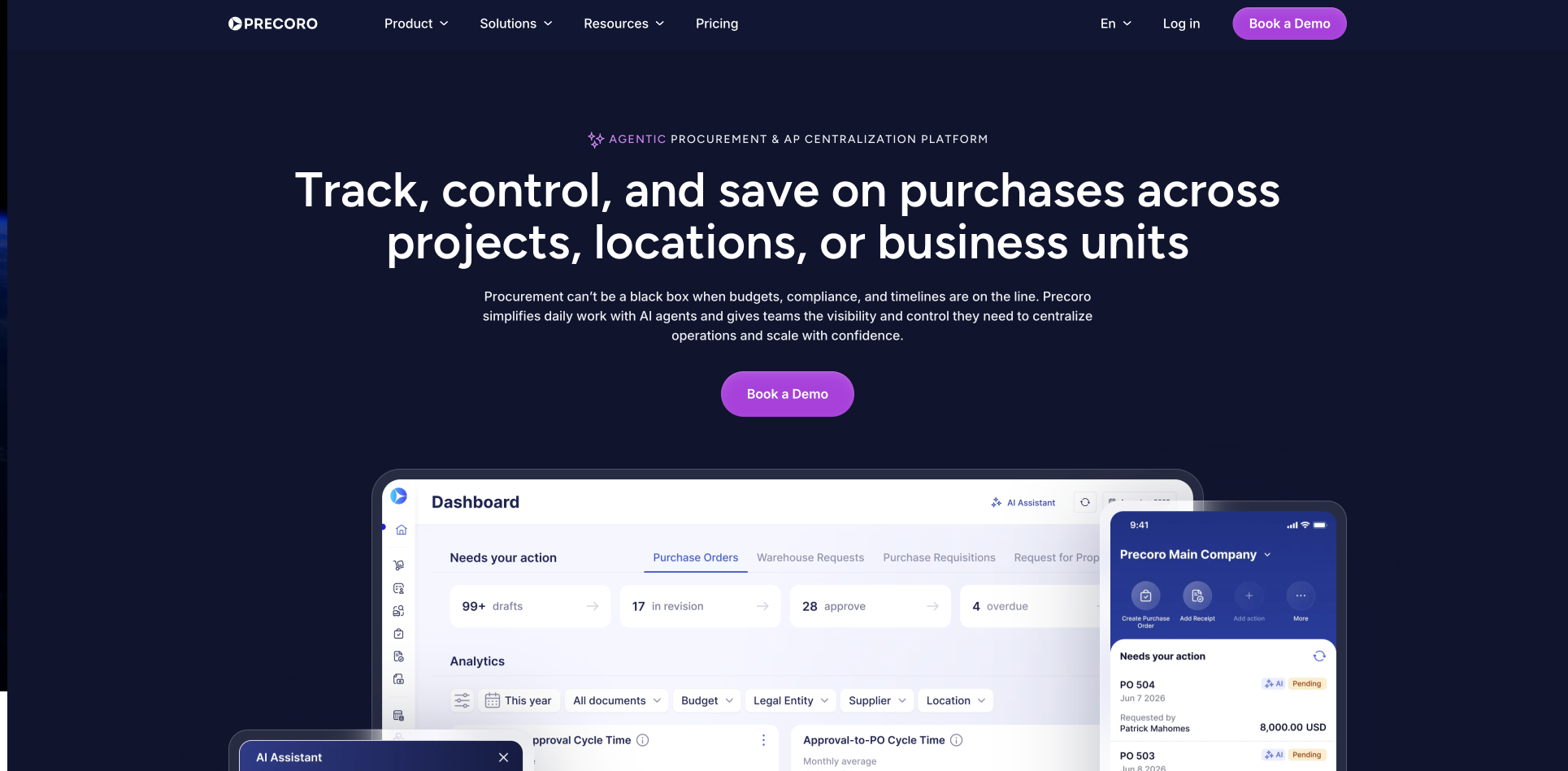
Precoro is a procure-to-pay platform for growing businesses (SMBs through mid-market and enterprise) that centralizes purchase requests, approvals, purchase orders, and related workflows to simplify purchasing.
It has developed P2P capabilities, fast approvals, punch-out/catalog support, inventory tracking, and dependable PO, invoice matching that enforces budgets and prevents duplicate spend.
Key differences between Precoro and Omnea:
- Inventory and warehouse workflows (stock balance, receipts/receiving, warehouse requests, internal transfers).
- PunchOut supplier catalogs (shop in an approved vendor store and auto-import the cart into a PR/PO).
- Supports both direct and indirect procurement, covers inventory-driven, operational buying as well as everyday business spend.
Tonkean
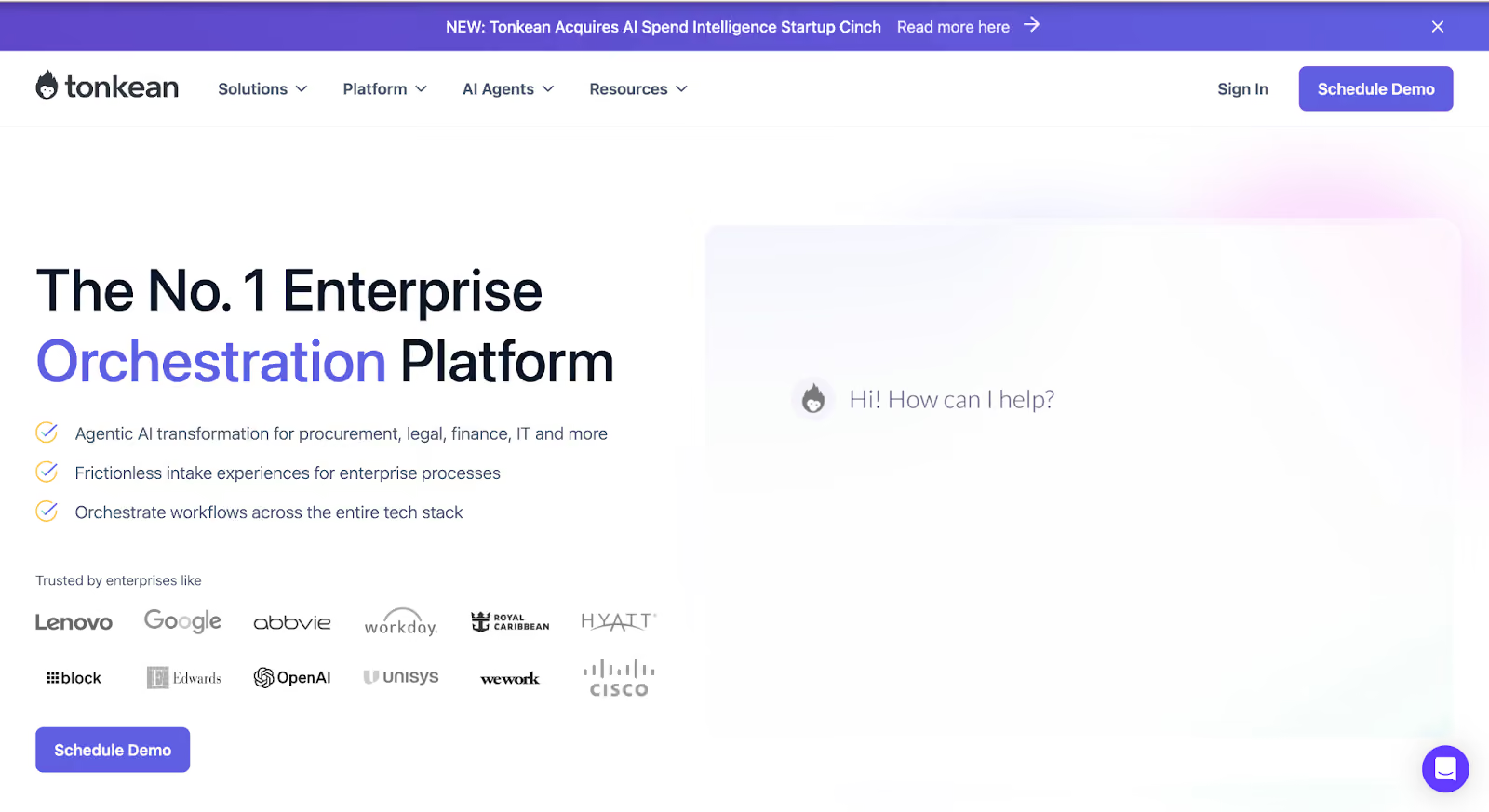
Tonkean is a process orchestration platform that wraps around existing enterprise systems to automate and enhance internal workflows without requiring replacements or heavy change management. It's ideal for enterprise companies and shared service teams like procurement, legal, and IT who need to boost adoption and efficiency across complex tech stacks.
Its key capabilities include using AI agents and no-code tools to facilitate intake, approvals, supplier onboarding, and more without changing core systems.
Key differences between Tonkean and Omnea:
- Strong focus on agentic AI for intake and orchestration with AI agents.
- Enterprise segment focus.
- Enterprise co-pilot that wraps around your stack, rather than replacing it.
How to choose the right Omnea alternative
Now that you’ve seen the top five Omnea alternatives, you might be wondering how to actually select the right software for your business. You’ll want one that’s flexible, customizable, and scalable, right?
1/ Look beyond a procurement solution’s features
When evaluating procurement solutions, you’ll quickly notice that many vendors offer similar capabilities, some more mature than others. Comparing features is important, but it shouldn’t be the only thing you focus on.
What often matters just as much, if not more, is the team and culture behind the product. Procurement platforms don’t implement themselves, and success depends on far more than API connections. The real question is whether the vendor can help you navigate change management, internal alignment, and the day-to-day realities of rolling out new procurement processes.
No procurement implementation is frictionless. Before launching your next RFP, it’s worth asking: Will this vendor deliver more than software or just check the feature boxes?
2/ Ease of use
A tool is only as valuable as the people who actually use it. If it’s too complex, it’ll end up collecting dust. Choosing a platform that’s intuitive and easy to adopt, without sacrificing powerful functionality, sets your organization up for long-term success.
3/ Customization and Scalability
- Customization: No two procurement teams operate the same way, which is why flexibility matters. The right tool should adapt to your processes without being so customizable that it becomes overly complex or hard to manage.
- Scalability: As your company scales, your procurement platform should scale with it. More countries, more transactions, more data, and more (and sophisticated) compliance requirements shouldn’t mean outgrowing your software. It’s important to choose a solution that can support where you’re headed, not just where you are today.
4/ Ask around…
Whether or not you have a doubt about a solution, you should ask around. There’s nothing wrong with asking any of the listed above for reference calls.
Talking to customers will help you understand how a platform actually performs day-to-day: what implementation is like, how support shows up, where the product shines, and where it falls short. These insights aren’t to be underestimated.
Final thoughts: Which procurement platform is best for your business?
Omnea and its competitors are respected solutions in the procurement landscape, each designed to solve different parts of the procurement challenge. But as businesses scale, the distinction between coordinating work and owning the full source-to-pay lifecycle becomes increasingly important.
Pivot is not a strong alternative if you are looking for:
- You are interested in buying software just to buy, not build a long-term partnership.
- You’re looking for a one-off, highly customized solution built only for your company.
- You want AI just for the sake of having it, without a clear purpose or impact.
Pivot is a strong alternative if you are looking for:
- A solution that goes beyond orchestration.
- Flexibility and customization that supports your business as it scales.
- A strategic partner who challenges assumptions, brings fresh thinking, and co-creates solutions rather than executing tasks.
Want to see how Pivot differs from Omnea for your business? Get in touch with our team.